What is Takht Sri Keshgarh Sahib?
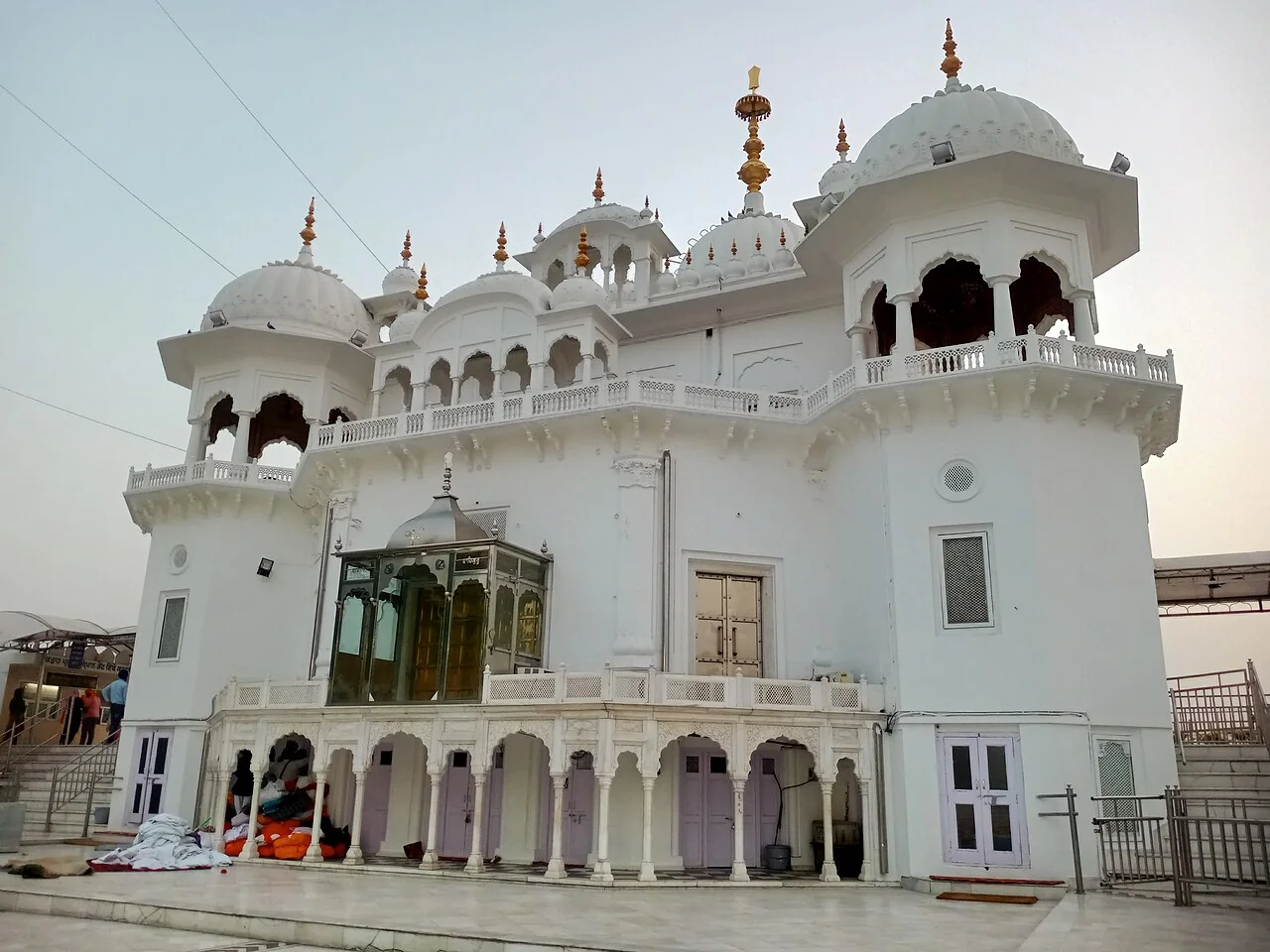
Takht Sri Keshgarh Sahib at Anandpur Sahib in Punjab is one of the five Takhts of Sikhism (the seats of temporal authority) and the birthplace of the Khalsa. Guru Gobind Singh founded the Khalsa here on Vaisakhi in 1699. With Sevahey, a verified Sevak offers your ardas there and sends same-day proof.
Where is Anandpur Sahib?
Anandpur Sahib is a town in Rupnagar district, Punjab. Takht Sri Keshgarh Sahib, the Takht at its centre, is at Anandpur Sahib, Rupnagar, Punjab 140118. It is one of three Takhts in Punjab, with the Akal Takht at Amritsar and Takht Sri Damdama Sahib at Talwandi Sabo.
Where was the Khalsa founded?
The Khalsa was founded at Anandpur Sahib, at the site of Takht Sri Keshgarh Sahib, on Vaisakhi in 1699. Guru Gobind Singh initiated the Panj Pyare there with amrit prepared by stirring water and sugar with a double-edged khanda, then asked them to initiate him in turn, which is why the Takht is called the birthplace of the Khalsa.
Who were the Panj Pyare?
The Panj Pyare, the five beloved ones, were the five who offered their heads when Guru Gobind Singh asked at Anandpur Sahib on Vaisakhi in 1699: Daya Singh, Dharam Singh, Himmat Singh, Mohkam Singh, and Sahib Singh. They were the first Sikhs initiated into the Khalsa, and they then initiated the Guru himself.
What is the Amrit Sanchar ceremony?
Amrit Sanchar is the Sikh initiation ceremony, first held at Anandpur Sahib on Vaisakhi in 1699. Guru Gobind Singh mixed water and sugar in an iron bowl, stirred it with a double-edged sword while Gurbani was recited, and gave the amrit to the Panj Pyare. Those who take amrit keep the five Ks, kesh, kangha, kara, kirpan, and kachera.
Who founded Anandpur Sahib?
Guru Tegh Bahadur, the ninth Sikh Guru, founded the town in 1665 and called it Chakk Nanaki after his mother. It was renamed Anandpur following his martyrdom in Delhi in 1675, when he was executed on the orders of Aurangzeb for refusing to convert to Islam. His son, Guru Gobind Singh, founded the Khalsa here twenty-four years later.
What is kept at Takht Sri Keshgarh Sahib?
The sanctum of Takht Sri Keshgarh Sahib holds old weapons used by Guru Gobind Singh's Khalsa. The present complex around them was built between 1936 and 1944, on the site where the Khalsa was founded on Vaisakhi in 1699.
Which of the five Takhts is Keshgarh Sahib?
Takht Sri Keshgarh Sahib at Anandpur Sahib is one of the five Takhts of Sikhism, alongside the Akal Takht at Amritsar, Takht Sri Patna Sahib, Takht Sachkhand Sri Hazur Sahib at Nanded, and Takht Sri Damdama Sahib at Talwandi Sabo. The Akal Takht is the first and highest; Keshgarh Sahib is the Takht of the Khalsa's founding.
What is Hola Mohalla at Anandpur Sahib?
Hola Mohalla is the three-day Sikh festival held at Anandpur Sahib, usually in March, on the day after Holi. Guru Gobind Singh established it as an occasion for martial display, holding the first procession here on 22 February 1701. Nihang Singhs in blue robes ride, wrestle, and perform gatka, and langar feeds a gathering of around two million. You can request that your ardas be offered during Hola Mohalla when you book through Sevahey.
What are the timings at Takht Sri Keshgarh Sahib?
Gurudwaras, including Takht Sri Keshgarh Sahib, are generally open through the day and welcome anyone regardless of faith. The day follows the Guru Granth Sahib rather than fixed hours: prakash, when the scripture is installed, is done in Amrit Vela (roughly between 2 and 6 in the morning) and sukhasan, when it is carried to rest, at night. Those points move with the season, so confirm the day's schedule with the Takht before travelling. Your Sevahey Sevak times your seva to that day's actual schedule and confirms the slot in the app.
How do I book an online ardas at Anandpur Sahib?
Open the Sevahey app, choose Takht Sri Keshgarh Sahib at Anandpur Sahib, and select a seva. A verified Sevak then offers your ardas at the Gurudwara and sends you same-day proof. You do not need to travel to Punjab yourself.
How much does an ardas at Anandpur Sahib cost?
Every full seva at Takht Sri Keshgarh Sahib is ₹899. There is no subscription, you pay only for the seva you choose.
What proof will I receive after the Anandpur Sahib seva?
After your seva at Anandpur Sahib you receive GPS-tagged photos from the Gurudwara, a short video of the offering, audio from the kirtan or ardas, and a handwritten note from the Sevak, usually the same day.
Can I have langar seva or karah prasad offered at Anandpur Sahib?
Yes. A Karah Prasad & Langar Seva at Takht Sri Keshgarh Sahib is ₹899 through Sevahey. Karah prasad is the offering of wheat flour, ghee and sugar shared with everyone present after ardas, and langar is the free kitchen open to all regardless of faith or background, both offered in your name, with video and proof returned to you.
What is Anandpur Sahib known for?
Takht Sri Keshgarh Sahib at Anandpur Sahib is one of the five Takhts of Sikhism and the birthplace of the Khalsa, founded by Guru Gobind Singh on Vaisakhi in 1699. It is also the town Guru Tegh Bahadur founded in 1665 and the home of the Hola Mohalla festival. With Sevahey, a verified Sevak offers your ardas there and sends same-day proof.
Can I have an ardas offered at Anandpur Sahib from abroad?
Yes. Sangat anywhere in the world can have an ardas offered at Takht Sri Keshgarh Sahib through Sevahey and receive photo, video, and audio proof, a way to bow at the birthplace of the Khalsa without travelling to Punjab.
Can I book a seva at Anandpur Sahib for Hola Mohalla or Vaisakhi?
Yes. You can request a specific occasion such as Hola Mohalla or Vaisakhi when you book, and your Sevak offers the ardas at Anandpur Sahib on that day, subject to the Gurudwara's schedule.
Who can I book an Anandpur Sahib ardas for?
You can request an ardas at Takht Sri Keshgarh Sahib for yourself, your parents, a child, an ancestor, or anyone in whose name you wish it offered. You provide the name and details when you book.
Why book an Anandpur Sahib seva through Sevahey?
Every Sevak is identity-verified, you see exactly who offered your ardas at Anandpur Sahib, and you receive GPS-tagged photo, video, and audio proof, not just a promise. Every full seva is ₹899, with the price shown upfront and no subscription.
 Place photo · Anandpur Sahib